

We often get asked what is the best type of saddle for me? Of course the answer is - whichever quality saddle fits both you and your horse best. We recommend that you work with a very experienced saddle fitter to find the best fit new saddle for your unique combination, and get your saddle checked regularly over the years for fit on your horse, and general wear.
A great saddle is a valuable investment, a priceless training tool, and good saddle maintenance is an essential part of equestrian safety. Having said all of that, there are some general guidelines to what style of new saddle will best suit your riding goals.
A guide to new saddle styles
Every rider has their own preferences and often we just stick with the style of saddle we are used to, rather than taking a fresh look at what is the best style of saddle for our purpose. There are so many factors to take into account to find your best saddle style, so we've made a list of questions to consider.
What is your favourite riding activity?
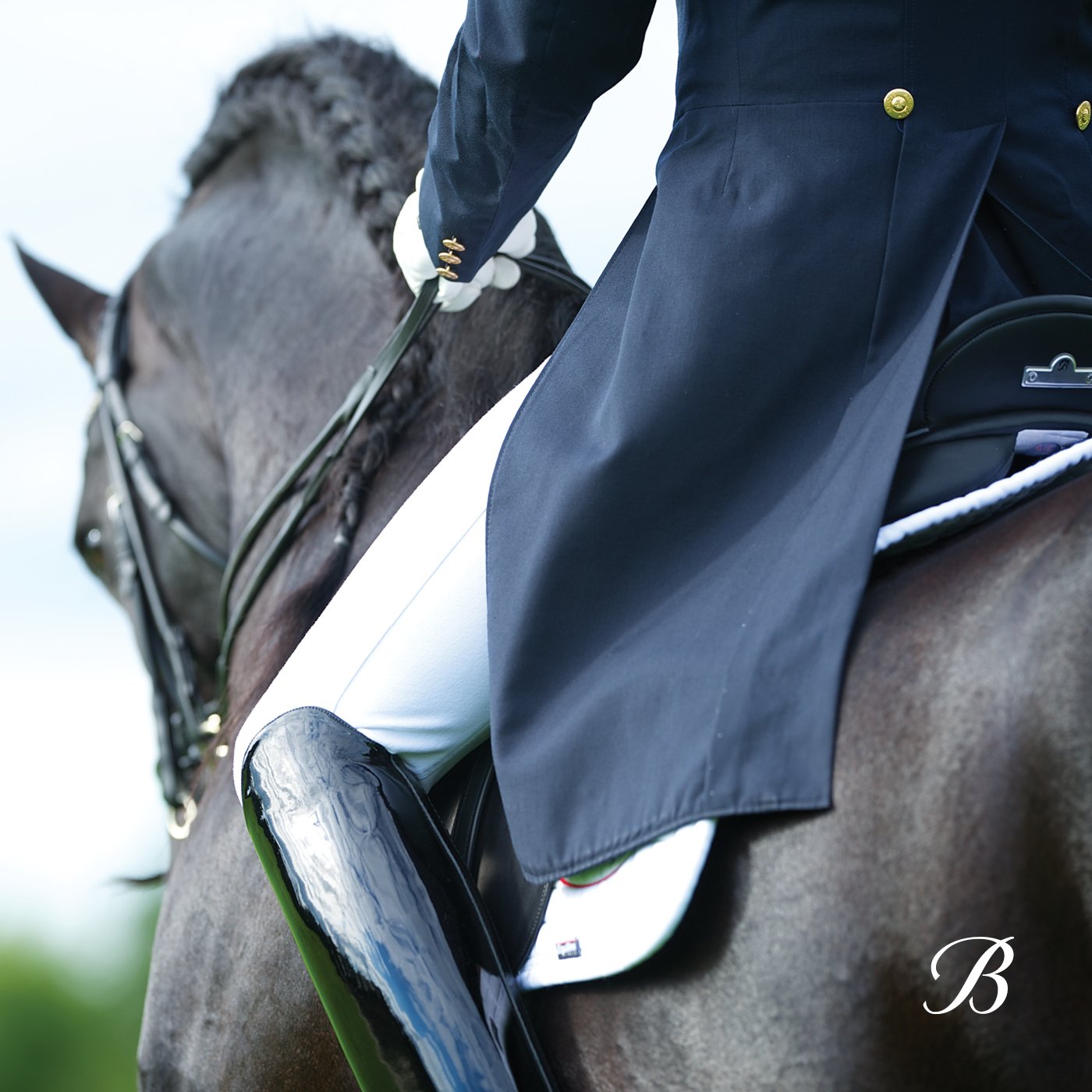
Dressage - Choose a dressage saddle.
Showjumping or Show Hunter - You'll need a jump saddle.
Trail Riding - Consider a dressage saddle for a nice deep seat and support for great riding posture, or for a lot of multi-terrain, speed and beach rides, consider a GP saddle or even a slightly deeper seated jump saddle which lets you adjust stirrup length and move freely.
Eventing or 'A little bit of everything' - the truth is serious eventers will normally need a dressage saddle and a jump saddle, and this can be true for riders who like to do a lot of different disciplines too.
Pony Club - For fast growing children who need to change ponies every few years, and swap between various disciplines at each Pony Club Rally, an easily adjustable GP saddle can be a great idea. They can participate in flatwork, jumping and events, and with a saddle refit, will be able to take the saddle with them to the next pony in many cases.
Bush & Beach - Consider a cost effective, easy clean Wintec saddle in the style of your choice. These saddles can literally be hosed clean, and won't get scratched pushing past branches!
How are you built?
The height and build of the rider determines the size of saddle needed, and our saddles range from 16" to 18" to accommodate pony riders and clydesdale cross riders. But your shape can have an influence on the best style of saddle for you and your horse as well.
- Children, and very petite riders on smaller horses will need smaller saddles, and normally need to look for saddles with a narrow twist.
- Curvier riders often prefer saddles with a deeper seat for a secure contact with the horse and a lower centre of balance.
- Leggier horse riders will often need to find saddles with a more forward cut flap for jumping, and sometimes even for dressage.
What about your horse's build?
As you get your saddle fitted well, it doesn't normally matter which style you prefer - but for wider shouldered stocky horses a comfortable and secure saddle fit can take a little more research.
If you have more than one horse, it is likely you will need more than one saddle too. And if you get a new horse, or your horse is still growing, you may need to sell your existing saddle and buy a new saddle - however a saddle with an easy change gullet system can often allow the existing saddle to be refitted to your new horse.
Some brands of saddle are also easier to repack than others, and this can also impact how adjustable a saddle is through the seasons or from one horse to another.
As with anything in store we are very happy to chat about saddle adjustability, styles, and saddle brands. Tell us about your new saddle preferences and any concerns you have about finding a great fit for you and your horse, and we will do everything we can to help.

Share:
Rider Safety - Our top equestrian safety must-haves
Equestrian First Aid & Farrier Tool Essentials